
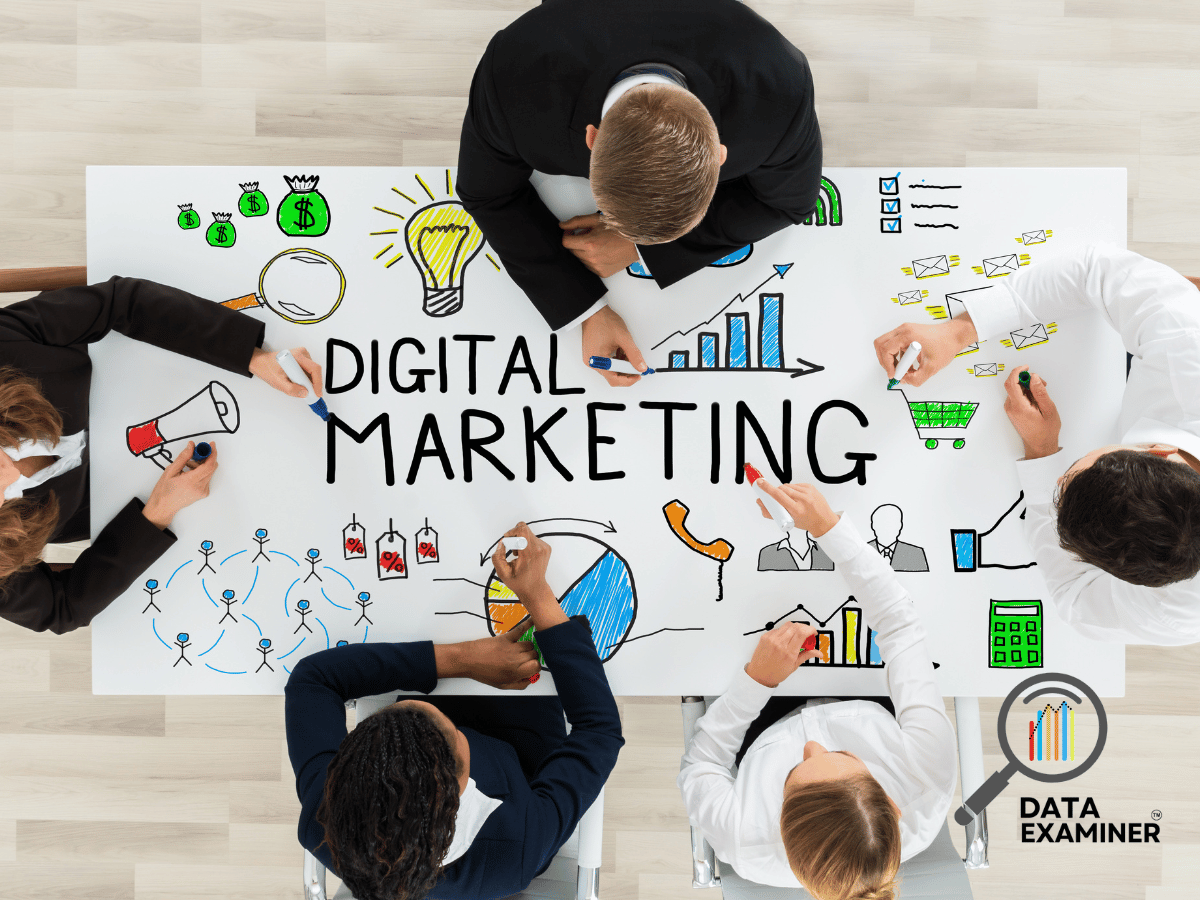
In an age where consumers are constantly bombarded with information, standing out from the crowd requires more than just creative campaigns and catchy slogans. It demands a deep understanding of your audience, precise targeting, and the ability to measure and optimize your efforts in real-time. This is where data plays a crucial role. In modern marketing strategies, data is not just a tool—it’s the backbone that drives every decision. In this article, we’ll explore how data influences various aspects of marketing and why it’s essential for any business aiming to succeed in today’s digital landscape.
1. Understanding Your Audience
At the core of any successful marketing strategy is a deep understanding of your audience. Data allows businesses to move beyond generic market research and delve into the specifics of who their customers are, what they want, and how they behave.
Key Areas Where Data Helps:
- Demographics: Data provides insights into your audience’s age, gender, location, income, and other demographic factors, allowing for precise targeting.
- Behavioral Insights: By analyzing data on how customers interact with your website, products, or services, you can identify patterns, preferences, and pain points.
- Psychographics: Data helps in understanding the values, interests, and lifestyles of your audience, enabling you to create messages that resonate on a deeper level.
Example: A fashion retailer might use demographic data to target ads for a new clothing line specifically to young women in urban areas, while behavioral data could help tailor those ads based on past browsing or purchase history.
2. Personalization at Scale
Today’s consumers expect personalized experiences. They want to feel that the brands they interact with understand their unique needs and preferences. Data makes this possible, even at scale.
How Data Drives Personalization:
- Dynamic Content: Data allows marketers to create dynamic content that changes based on the viewer’s characteristics, such as location, purchase history, or browsing behavior.
- Email Marketing: By segmenting email lists based on data, businesses can send targeted messages that are more likely to resonate with specific groups of customers.
- Product Recommendations: E-commerce platforms can use data to suggest products based on what similar customers have bought, increasing the likelihood of conversion.
Example: Amazon’s recommendation engine is a prime example of data-driven personalization. By analyzing customer behavior and preferences, Amazon can suggest products that are highly relevant to each individual user.
3. Optimizing Campaign Performance
One of the most significant advantages of data in marketing is the ability to track and measure the performance of campaigns in real-time. This continuous feedback loop allows marketers to optimize their strategies on the fly.
Key Metrics to Monitor:
- Click-Through Rates (CTR): Indicates the effectiveness of your ads and how well they are capturing the audience’s attention.
- Conversion Rates: Shows the percentage of visitors who take the desired action, such as making a purchase or signing up for a newsletter.
- Customer Acquisition Cost (CAC): Helps determine how much it costs to acquire a new customer and whether your marketing efforts are cost-effective.
- Return on Investment (ROI): Measures the overall profitability of your marketing campaigns, allowing you to focus on what works and cut what doesn’t.
Example: A digital marketing team might notice that a particular ad campaign is underperforming in a specific demographic. By analyzing the data, they can adjust the targeting, messaging, or even the ad creative to improve results.
4. Enhancing Customer Retention
While attracting new customers is essential, retaining existing ones is often more cost-effective and profitable. Data plays a critical role in understanding why customers leave and what can be done to keep them engaged.
Using Data for Retention:
- Churn Analysis: By analyzing data on customer behavior, businesses can identify signs that a customer is about to churn and take proactive steps to retain them.
- Customer Feedback: Analyzing survey responses, reviews, and social media comments can provide insights into what customers like and dislike, allowing you to address issues before they lead to churn.
- Loyalty Programs: Data helps in designing and optimizing loyalty programs that reward customers for repeat business and encourage long-term engagement.
Example: A subscription-based service might use churn analysis to identify customers who haven’t logged in for a while. They could then target these customers with special offers or personalized content to re-engage them.
5. Informed Decision Making
In the past, marketing decisions were often based on intuition and past experience. While these factors are still important, data has added a new dimension to decision-making, making it more precise and evidence-based.
Data-Driven Decisions:
- A/B Testing: Data allows businesses to test different versions of a marketing asset (like a webpage or email) and determine which performs better.
- Market Trends: By analyzing industry data, businesses can stay ahead of trends and adjust their strategies accordingly.
- Customer Insights: Regular analysis of customer data provides ongoing insights that can inform everything from product development to marketing strategy.
Example: A company might use A/B testing to determine which version of a landing page results in higher conversion rates. Based on the data, they can then implement the winning version to maximize results.
6. Future-Proofing Your Marketing Strategy
As technology continues to evolve, the role of data in marketing will only become more significant. Businesses that embrace data-driven marketing are better positioned to adapt to changes in the market, customer expectations, and competitive landscape.
Looking Ahead:
- AI and Machine Learning: These technologies will increasingly use data to automate and optimize marketing strategies, making them more efficient and effective.
- Predictive Analytics: By analyzing historical data, businesses can predict future trends and customer behavior, allowing them to stay ahead of the curve.
- Data Privacy: With increasing concerns over data privacy, businesses will need to balance the use of data with ethical considerations and compliance with regulations like GDPR.
Example: A business using predictive analytics might anticipate a surge in demand for a particular product based on past trends, allowing them to prepare inventory and marketing efforts accordingly.
Data has transformed modern marketing strategies, making them more targeted, personalized, and effective. By leveraging data, businesses can gain a deep understanding of their customers, optimize their campaigns, and make informed decisions that drive growth. As the digital landscape continues to evolve, the ability to collect, analyze, and act on data will be essential for any business looking to succeed in the competitive world of modern marketing.